Biohazard Cleanup
Safe, careful removal of bodily fluids and other infectious material, finished with hospital-grade disinfection.
Learn more →Missouri · Webster County
Unsure whether a mess counts as a biohazard in Marshfield, MO? Call (877) 812-4220 and ask. Blood, human waste, decomposition, sharps and sewage all get full protective gear and hospital-grade disinfection.
If anyone is in danger, call 911 first. For a suicide crisis, call or text 988.
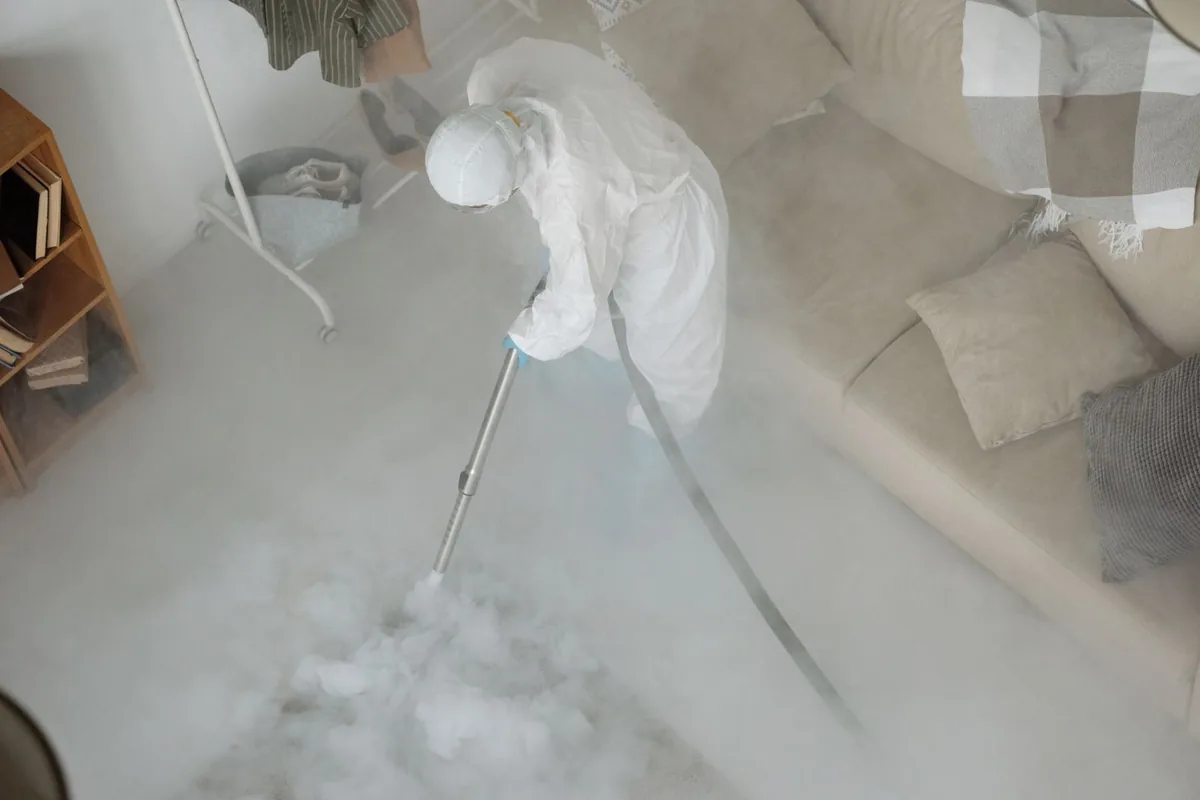
A biohazard cleaner deals with what regular cleaners will not touch: blood, decomposition, human waste and infectious materials. Marshfield homeowners, tenants, landlords and business owners can get discreet biohazard cleanup services by calling Marshfield Biohazard Cleanup Help.
Teams do the heavy lifting: removing carpet, padding and drywall that cannot be cleaned, bagging regulated waste, disinfecting hard surfaces and treating odor at the source. The service area runs from Marshfield to Strafford, Fair Grove and Marshfield.
The census figure for older adults living alone in Marshfield is 39%, above the Missouri average. When someone lives alone, a death can go unnoticed for days, and unattended death cleanup follows. Vacant properties make up about 10% of housing in Webster County. When a house sits empty, droppings, mold and plumbing leaks can go unnoticed until someone checks.
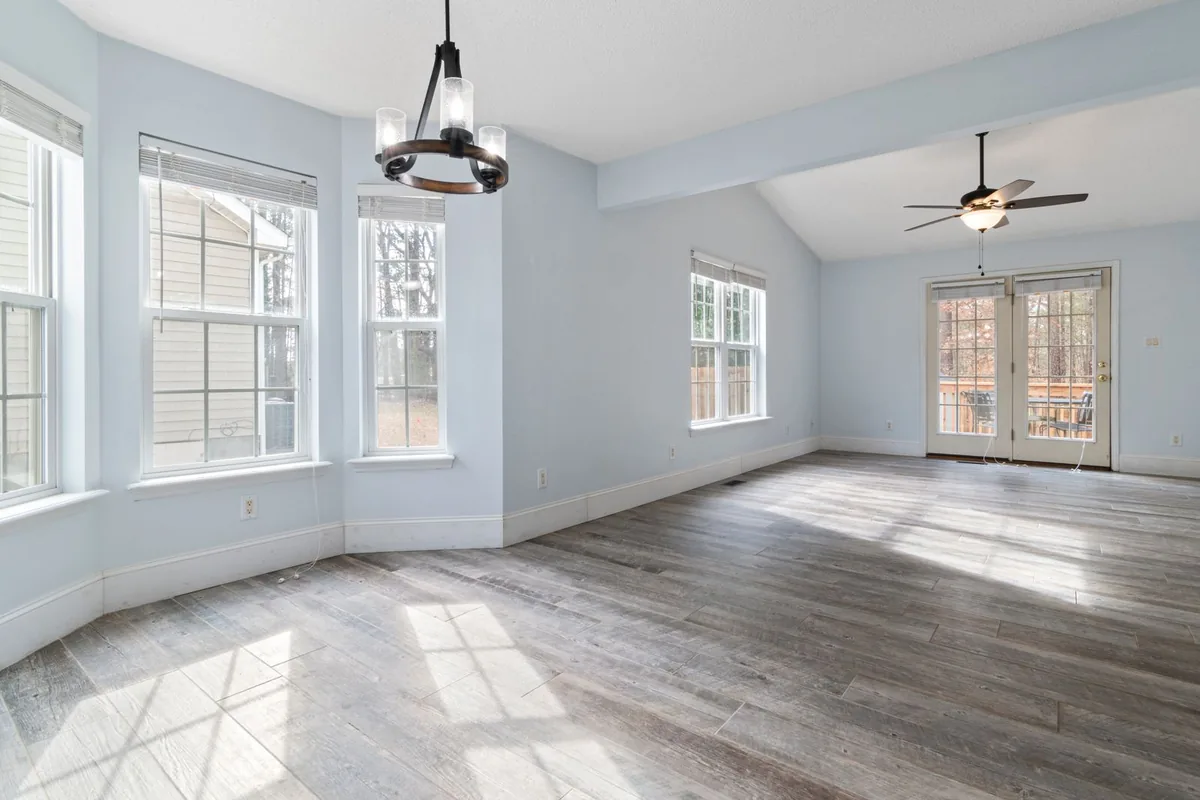
Safety comes first on every job. You get crews that follow OSHA bloodborne pathogen protocols, wear full protective equipment and seal off the contaminated space, since hepatitis B, hepatitis C and HIV are all risks around untreated blood.
Real decontamination reaches what the eye cannot see. Fluids travel under flooring and into baseboards, so crews check beneath and behind surfaces, remove affected materials and disinfect the exposed area before odor treatment begins.
Biohazard cleanup is not one job. The list below breaks down the services open to Marshfield families, landlords and business owners.
Safe, careful removal of bodily fluids and other infectious material, finished with hospital-grade disinfection.
Learn more →Blood, bodily fluids and residue removed and disinfected after law enforcement releases the scene.
Learn more →Discreet trauma cleaning that covers waste disposal, odor removal and records for insurers.
Learn more →Respectful biohazard cleanup for homes and rentals after an unattended death.
Learn more →Professional suicide cleaning services that spare relatives and landlords from the hardest part.
Learn more →Homicide cleaners remove contaminated materials, disinfect every affected surface and prepare records for insurers.
Learn more →Blood spill clean up for homes, rentals and workplaces, with soaked materials removed and surfaces sanitized.
Learn more →Soaked carpet, mattresses and furniture removed, and affected surfaces sanitized after a fluid release.
Learn more →Human feces removal with protective gear, EPA-registered disinfectants and sealed disposal of contaminated waste.
Learn more →Finds the source of a death odor and removes it, instead of masking it with sprays.
Learn more →Respectful hoarder cleaning that clears exits, sorts belongings with you and cleans every room.
Learn more →Hoarder house cleanout that clears every room and leaves the property ready for its next step.
Learn more →Animal hoarding cleanup with protective gear, soaked flooring removal and thorough sanitizing.
Learn more →Filth cleanup for kitchens, bathrooms and living areas, with odor treated at its source.
Learn more →Category 3 cleanup with protective gear, sealed disposal and EPA-registered disinfectants.
Learn more →COVID-19 cleanup and coronavirus disinfection of high-touch surfaces, bedrooms, bathrooms and shared rooms.
Learn more →Surfaces cleaned, disinfected and checked so a contaminated room or vehicle is safe to use again.
Learn more →Medical waste left behind after illness, a move or a cleanup, removed with protective gear.
Learn more →Safe syringe pickup for places where children, pets or customers could be at risk.
Learn more →Cleanup after police release: items, residue and soiled materials handled without judgment.
Learn more →Clear steps for owners who suspect meth contamination, from first sample to final report.
Learn more →Fentanyl residue removal with protective gear, soft material removal and proper disposal.
Learn more →Safe removal of solvents, fuels, pesticides, mercury and unlabeled containers from homes and businesses.
Learn more →Fuel, solvent and chemical spill cleanup for homes, farms, shops and fleet yards.
Learn more →Tear gas cleanup for homes, shops and vehicles, with testing, containment and a final check.
Learn more →Rodent infestation cleanup after pest control, with odor removal and sanitizing of the affected area.
Learn more →Pigeon and bird droppings cleanup on ledges, balconies, warehouses and storefronts.
Learn more →Gentle, private cleanup after a pet or wild animal has died at your home or business.
Learn more →Biohazard car cleaning for blood, vomit and body fluids, with disinfection and safe waste disposal.
Learn more →Discreet blood cleanup after an accident, so the space can reopen safely.
Learn more →Commercial cleaning crews disinfect offices, shops, plants and rentals after injuries, deaths and backups.
Learn more →House cleanout and hauling for estates, landlords and out-of-town families after a loss.
Learn more →The first step is deciding what is unsafe and how far the contamination goes. Hazards such as sharps, broken glass or sewage are noted before anyone starts.
Affected rooms are isolated so contamination and odor stay put. Technicians suit up and bring in the equipment the job needs.
Crews in protective gear remove contaminated materials, clean every surface and disinfect with EPA-registered products. Waste is sealed and carried out as regulated medical waste.
Air scrubbers and odor equipment clear the room, the crew inspects the result, and the property is handed back ready for repairs, insurance or use.
Photos, documents, jewelry and keepsakes are set aside for the family whenever they can be safely saved.
OSHA bloodborne pathogen protocols, full PPE, EPA-registered disinfectants and lawful biohazard waste disposal on every job.
A cleanup specialist explains the steps, the likely cost range and what the property owner needs to do next, in everyday words.
At crime and death scenes, work waits for law enforcement or the investigator to release the property. Nothing is disturbed before that.
Biohazard cleanup in Marshfield, MO typically costs $500 to $25,000, depending on the type of biohazard, the size of the affected area and how far fluids soaked into porous materials.
Most residential jobs cost $3,000 to $5,000 (Fixr). The main price drivers are the area affected, the number of porous materials removed, the amount of odor treatment needed and the cost of regulated waste disposal. A small spill sits at one end and a hoarder house or unattended death at the other.
| Type of job | Typical range |
|---|---|
| Blood spill cleanup, small area | $500 - $2,500 |
| Crime scene cleanup, most homes | $1,500 - $7,500 |
| Unattended death cleanup | $2,000 - $7,000 |
| Suicide cleanup | $1,500 - $5,500 |
| Sewage cleanup, most homes | $2,000 - $10,000 |
| Hoarding cleanup, level 3 home | $2,000 - $5,000 |
| Meth lab cleanup, typical | $15,000 - $20,000 |
Estimates only, not a quote. Sources: Fixr, Yelp Costs, BioCleaners Directory, PushLeads, Dropcurb, Bob Vila and cleanup company cost guides. Call (877) 812-4220 to talk through the job.
With a vacancy rate of 10% in Webster County, empty buildings can collect animal waste, drug paraphernalia and storm damage that nobody sees until later.
Webster County has a Relatively Low river flood risk rating from FEMA. Floodwater mixes with sewage, and anything it touches needs full biohazard cleaning, not just drying.
About 39% is the census figure for older adults living alone in Marshfield. When a person dies alone, days may pass before anyone knows, and unattended death cleanup follows.
An average July high of 88 degrees in Marshfield speeds up decomposition after a death. The sooner the scene is released and cleaned, the less the odor and fluids spread.
Offices, shops, churches and other public spaces may need cleanup after an injury, illness outbreak or break-in. The work is planned around staff, customers and reopening dates.
Cars, trucks and work vehicles can carry biohazards after an accident, assault or medical event. Vehicle cleanup removes contaminated upholstery and disinfects every surface and vent.
To size a cleanup, technicians check what was contaminated, how deep it went and how many rooms it reached. Those findings, together with the type of biohazard, set the plan.
It means discreet removal of blood, bodily fluids and affected materials, followed by full disinfection and odor treatment, so the family never has to face the scene. If you or someone you know is thinking about suicide, call or text 988 to reach the 988 Suicide and Crisis Lifeline.
Biohazard cleaning is the safe removal of infectious or contaminated material and the disinfection of whatever it touched. Crews wear protective equipment, remove porous materials that cannot be made safe, and dispose of the waste under medical waste rules. It goes far beyond ordinary housecleaning.
A cleanout of belongings can take from a day to several weeks depending on how much is in the home. If a death left biohazards, the biohazard cleanup comes first, and sorting or hauling follows once the area is safe.
Call 911 if anyone is in danger. Keep everyone out of the affected area, do not clean anything, and wait for law enforcement to release the scene. Then call your insurance company and a biohazard cleaning company to plan the cleanup.
Yes. Hoarding cleanup sorts belongings room by room, sets aside valuables and papers, removes trash and waste, and disinfects the space. Crews work without judgment and keep the family's wishes in mind.
The body is removed by a funeral home or the authorities. Cleaning the room afterwards is not their job; the family, landlord or estate hires biohazard cleaners for death cleanup, decomposition removal and odor removal.
The census figure for older adults living alone in Marshfield is 39%, above the Missouri average. When someone lives alone, a death can go unnoticed for days, and that leads to unattended death cleanup.
It can. Webster County has a Relatively Low river flood risk rating from FEMA. Wherever floodwater or a sewer backup enters a home, the water is treated as Category 3 and needs full cleaning and disinfection.
Nearby towns such as Strafford and Fair Grove are part of the Marshfield service area. Property owners in Webster County can call (877) 812-4220 for biohazard removal at any hour.
A cleanup specialist is ready to talk it through whenever you are.
Call (877) 812-4220